Dinghy Sailing Typography Crafting
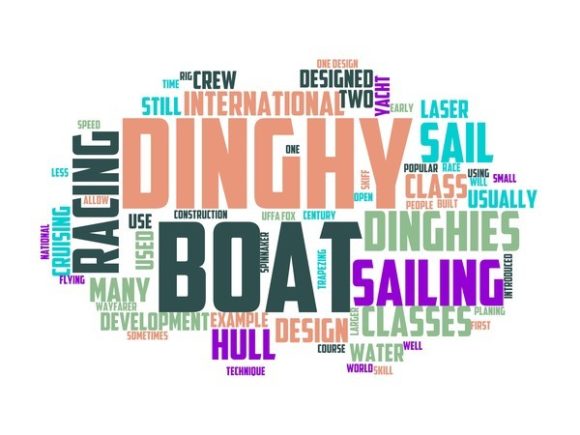
If you’ve ever seen a vibrant, hand-drawn wordcloud filled with nautical terms like “breeze,” “tack,” “helm,” and “swell”—all arranged with playful energy and ocean-inspired color—then you’ve glimpsed the charm of Dinghy Sailing Typography Crafting. It’s not just about fonts or clipart. It’s a tactile, expressive design approach where typography becomes part of the story: light, agile, and full of motion—just like sailing a dinghy itself.
What Makes This Style So Distinctive?
This isn’t digital perfection—it’s intentional imperfection. Each letter is drawn by hand, with subtle variations in weight, tilt, and spacing that echo the rhythm of wind on water. The wordcloud format clusters related terms (like “rig,” “rudder,” “trim,” “lee,” “bow”) in organic shapes—no rigid grids, no sterile alignment. Colors often reflect coastal palettes: sun-bleached coral, deep navy, seafoam green, and warm sand beige—but they’re never flat. There’s texture—soft watercolor washes, faint pencil lines, or ink bleed—to keep things alive and approachable.
The value lies in its dual nature: it feels personal *and* purposeful. A small business selling handmade sailor-themed stationery can use it to convey authenticity. A marine educator might print it on classroom posters to spark curiosity. A festival organizer could turn it into a banner that invites smiles—not just information.
Why People Reach for This Style
Many creators—whether launching a new brand, designing a wedding invitation, or updating their Etsy shop—are looking for something that stands out without shouting. Dinghy Sailing Typography Crafting delivers warmth and character at a glance. It signals care, craft, and connection—not just competence.
For beginners, it’s surprisingly accessible. You don’t need calligraphy training to apply it. Many designers offer high-resolution PNGs and vector files ready for cutting machines, embroidery software, or simple drag-and-drop tools like Canva. What matters most is intention: choosing words that resonate with your audience and pairing them with visuals that feel true to your message.
Real-Life Uses That Just Work
Think beyond the obvious. Yes, this style shines on t-shirts, tote bags, and mugs—especially for coastal towns, sailing schools, or regatta events. But its flexibility runs deeper:
- A yoga studio in Newport uses a modified version on wall prints—replacing sailing terms with mindful verbs like “breathe,” “anchor,” “flow,” and “drift”—keeping the visual language but shifting the mood.
- An indie author includes a subtle dinghy-themed wordcloud as chapter dividers in her memoir about learning to sail solo at 42—adding emotional texture without distracting from the text.
- A children’s museum creates interactive fabric banners with velcro-backed word tiles (“jib,” “keel,” “halyard”) so kids can rearrange the cloud while learning nautical vocabulary.
- A boutique coffee roaster features a custom variant on packaging labels—blending “roast,” “bean,” “coast,” and “brew” with wave-like curves and anchor motifs—tying flavor to place.
It also adapts beautifully across formats: screen-printed on linen napkins, heat-transferred onto ceramic coasters, laser-cut from birch plywood for shelf décor, or even embroidered onto denim jackets. Because the base artwork is hand-drawn—not algorithmically generated—it holds up well at any scale, from tiny enamel pins to 36-inch wall decals.
Where to Use It Without Overcomplicating Things
You don’t need a full rebrand to get started. Try one low-stakes application first:
- Printables: Create a downloadable “Sailor’s Affirmation Card” set—each card features a short phrase (“Trust the wind,” “Adjust your course,” “Find your balance”) inside a compact, colorful wordcloud frame. Perfect for educators or life coaches.
- Event Design: Use the wordcloud as background texture behind clean sans-serif headlines on invitations or programs. It adds depth without competing for attention.
- Product Tags: Print mini versions on kraft paper hang tags for handmade goods—especially effective for nautical-themed candles, soaps, or journals.
- Digital Touchpoints: Add a cropped section as a subtle watermark on social media posts or email headers—just enough to reinforce identity without overwhelming content.
Things to Keep in Mind Before You Dive In
Not every project benefits from this style—and that’s okay. If your goal is ultra-modern minimalism, strict corporate compliance, or technical documentation, Dinghy Sailing Typography Crafting may clash rather than complement. Ask yourself: does this support clarity, emotion, or memorability? If yes, proceed. If unsure, test it alongside a neutral alternative.
Licensing matters too. Some hand-drawn wordclouds are sold for personal use only; others include commercial rights for unlimited physical and digital products—including resale items like apparel or greeting cards. Always check the license before ordering—or better yet, commission an original piece if your brand relies heavily on distinctiveness.
Also consider legibility. While artistic flair is welcome, avoid overcrowding or overly delicate strokes if the design will appear on small surfaces (like buttons or keychains) or viewed at a distance (such as outdoor signage). A skilled designer can simplify the layout while preserving its spirit—so don’t hesitate to request alternate versions.
A Friendly Invitation to Make It Your Own
Dinghy Sailing Typography Crafting invites participation—not passive consumption. You might trace over a printed version with colored pencils, layer it under watercolor washes, combine it with vintage nautical charts, or pair it with rope trim and seashell embellishments in mixed-media art. Its strength is in adaptability, not rigidity.
Whether you're sketching ideas in a notebook, prepping for a craft fair, or building a brand that honors both tradition and joy—you’re not just selecting a design. You’re choosing a tone, a pace, and a kind of quiet confidence: steady, responsive, and always ready to catch the next breeze.