Drag Boat Racing Typography Sticker
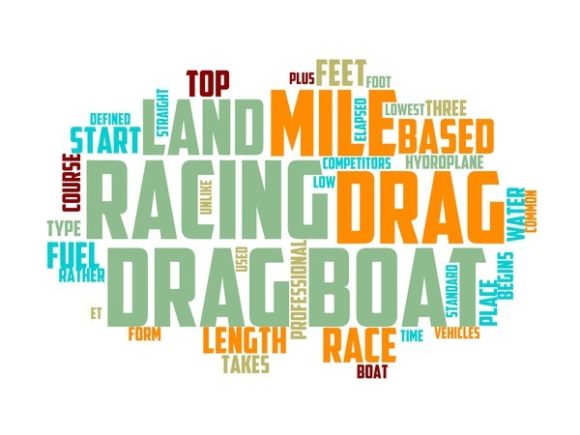
If you’ve ever tried to capture high-energy, bold personality in a single visual—whether for a custom t-shirt, a festival banner, or a small-batch product label—you know how hard it is to find something that feels both authentic and versatile. The Drag Boat Racing Typography Sticker isn’t just another clipart download. It’s a hand-drawn, color-rich wordcloud built around the kinetic spirit of drag boat racing: speed, power, water spray, engine roar, and unapologetic grit—all distilled into expressive, legible lettering.
Unlike generic sports fonts or overused vector icons, this sticker design leans into organic texture and intentional imperfection. Every curve, splash, and overlapping word was drawn by hand—not generated by AI or traced from stock. That means it carries warmth, character, and subtle variation you can’t replicate with algorithmic tools. And because it’s delivered as a clean, scalable digital file (typically PNG with transparent background or SVG), it works equally well on a 2-inch enamel pin or a 48-inch trade show backdrop.
Where It Fits—Without Forcing It
You don’t need to be a motorsports fan—or even know what a hydroplane looks like—to get real value from the Drag Boat Racing Typography Sticker. Its strength lies in adaptability. Think of it less as “narrowly themed” and more as “emotionally anchored”: it conveys urgency, celebration, competition, and raw enthusiasm in a way that resonates across contexts.
A small-batch coffee roaster in Detroit might use it on limited-edition bags for their “Riptide Roast” blend—tying caffeine energy to aquatic motion. A high school physics teacher could print it onto classroom posters explaining Newton’s laws through real-world examples like thrust, drag, and acceleration. A wedding planner designing nautical-themed invites might layer it subtly behind “Celebrate” or “Anchor Your Love”—adding depth without cliché.
Real Uses, Real People
For creators and crafters: You’re screen-printing tote bags for a local regatta fundraiser. Instead of licensing expensive vector packs or spending hours tracing fonts, you drop the Drag Boat Racing Typography Sticker into your layout, adjust saturation to match your navy-and-coral palette, and hit print. No kerning stress. No copyright checks. Just immediate, cohesive impact.
For educators and trainers: You’re building a workshop deck about teamwork under pressure. Sliding this wordcloud onto a slide titled “Push Past Resistance” visually reinforces the message—without needing a stock photo of people rowing. Learners remember the feeling first; the words land second.
For marketers and small business owners: You’re launching a summer promo for your kayak rental company. Using the sticker as a watermark behind your social media carousel images adds thematic continuity—and signals playfulness and action, not just utility. Customers scrolling Instagram pause longer when visuals feel intentional, not templated.
For publishers and designers: You’re laying out an indie zine about coastal subcultures. Dropping the wordcloud into a spread about boat-building traditions or weekend races gives editorial weight—like a visual footnote that says, “This matters, and it moves.”
Why It Works Where Other Designs Fall Short
Most typography-based assets either prioritize readability *or* visual flair—not both. This one balances them. Words like “thrust,” “roar,” “splash,” “launch,” and “victory” aren’t buried in decoration—they’re legible at a glance, even scaled down to 1.5 inches on a luggage tag. Yet they’re surrounded by water droplets, tire marks, and stylized exhaust lines that reinforce meaning without clutter.
It also avoids dated tropes: no cartoonish flames, no overused “VROOOOM” speech bubbles, no aggressive drop shadows. That makes it age well—and feel fresh next to minimalist branding or vintage-inspired packaging.
What to Consider Before You Use It
First: intentionality over decoration. This isn’t wallpaper. It gains power when paired with breathing room—white space, strong contrast, or a restrained supporting palette. If you slap it onto a busy fabric pattern or cram it between five other graphics, its energy gets lost, not amplified.
Second: context matters more than category. Don’t ask, “Is this good for stickers?” Ask, “Does this support the feeling I want someone to carry away after seeing my product, event, or message?” If your goal is calm reflection, it’s probably not the right fit—even if the end use is technically a sticker.
Third: check file specs before scaling. While SVG versions scale infinitely, some PNG downloads come in fixed sizes. If you plan to use it on apparel tags *and* wall murals, confirm resolution and format options before purchase or download. A 300 DPI PNG at 2400×2400 px gives you flexibility; a 72 DPI web-only version won’t hold up on fabric prints.
More Than a Sticker—A Design Accelerator
This isn’t about slapping text onto things. It’s about reducing decision fatigue so you can focus on what really matters: connecting with people. When you’re juggling client revisions, inventory deadlines, or lesson planning, having one trusted, expressive element that consistently delivers tone and energy saves mental bandwidth.
That’s why teachers keep it in their “go-to visual library.” Why makers reuse it across seasonal collections—not as filler, but as signature rhythm. Why bloggers embed it in Canva templates for email headers or Pinterest pins: it quietly tells viewers, “This isn’t generic. This has voice.”
And yes—it looks great on mugs, notebooks, and enamel pins. But its real usefulness shines when it helps you say something unmistakable, quickly: that your work has momentum. That your brand doesn’t just exist—it accelerates. That your message isn’t waiting to be heard—it’s already roaring past.
So whether you’re prepping for a craft fair, designing a conference program, updating your Etsy shop banner, or brainstorming a student project display, the Drag Boat Racing Typography Sticker isn’t just decoration. It’s shorthand for energy, authenticity, and forward motion—ready when you are.